Most soft tissue injuries follow a predictable healing trajectory. Inflammation, repair, remodeling — the body's built-in recovery sequence moves through these phases over weeks to months, and function is restored. But for some injuries, this process stalls. The acute phase resolves, but full healing doesn't follow. The tissue remains painful, restricted, and structurally compromised — sometimes for years.
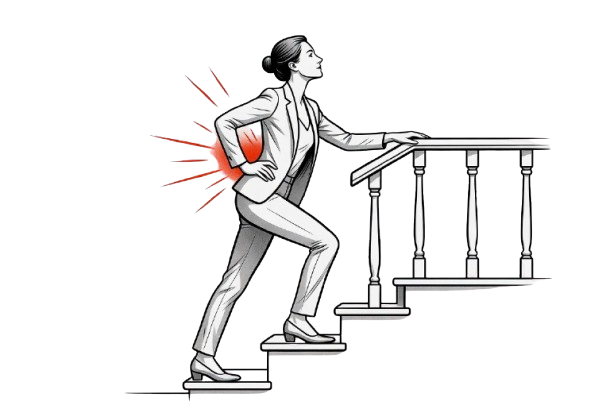
This pattern is particularly common in tendinopathies — chronic tendon conditions that affect the Achilles, the rotator cuff, the patellar tendon, the plantar fascia, and the hip flexors. It's also seen in calcific deposits, fascial adhesions, and certain types of muscle scarring. These conditions share a common feature: they have moved beyond the acute phase but haven't completed the healing process, leaving tissue in a chronically degenerated state that doesn't respond well to rest, stretching, or conventional manual therapy.
Piezowave shockwave therapy was developed specifically for these situations.
What Piezowave Actually Does
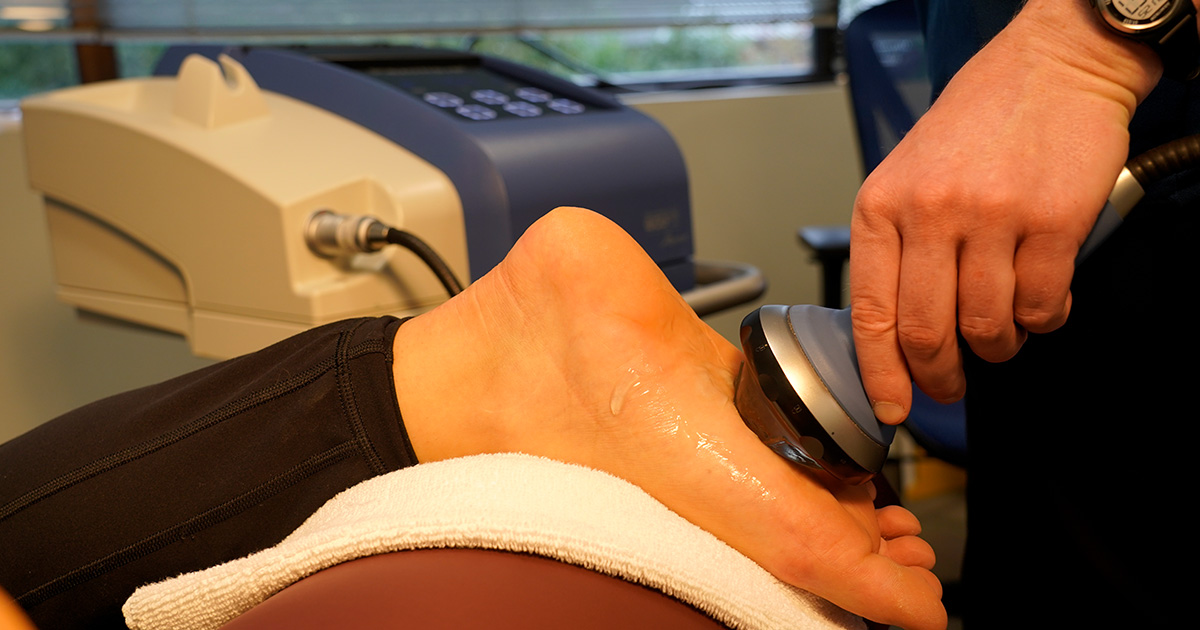
Piezowave delivers focused acoustic pressure waves — shockwaves — to targeted tissue through a handheld applicator placed on the skin. These waves penetrate to a precise depth and create rapid pressure changes in the treated tissue. At the cellular level, this mechanical stimulation triggers a cascade of biological responses:
Neovascularization — the formation of new blood vessels in the treated area, restoring circulation that chronic injury has impaired
Collagen synthesis — stimulation of fibroblast activity and new collagen production in degenerated tendon tissue
Breakdown of calcific deposits — acoustic pressure disrupts calcium crystal structures, allowing the body to reabsorb them
Neurological effects — modulation of pain signaling through effects on substance P and other nociceptive mediators
In practical terms, Piezowave restarts a healing process that has stalled — creating the biological conditions for genuine tissue repair rather than simply managing symptoms.
What the Research Shows
Shockwave therapy has accumulated a substantial evidence base over the past two decades. It is well-supported for:
Plantar fasciitis: Multiple randomized controlled trials show significant reductions in heel pain and improvements in function, with effects that persist at long-term follow-up. For chronic plantar fasciitis that hasn't responded to orthotics, stretching, or cortisone injections, shockwave therapy is one of the most evidence-supported non-surgical options available.
Achilles tendinopathy: Research consistently shows improvements in pain and function for both mid-portion and insertional Achilles tendinopathy, including in patients who have failed conventional physical therapy.
Rotator cuff tendinopathy and calcific tendinitis: Shockwave therapy produces meaningful pain reduction and functional improvement, and is particularly effective at breaking down calcific deposits in the rotator cuff.
Patellar tendinopathy: Studies in athletic populations show significant improvements in pain scores and return to sport, including for patients with chronic symptoms.
Hip flexor and gluteal tendinopathy: Emerging evidence supports shockwave for proximal hamstring and gluteal tendinopathies that are notoriously difficult to treat with conventional approaches.
Recovery isn't a mystery.
It's a process. Let's start yours with a thorough assessment and an honest conversation about what's possible.
Piezowave is used at Fix Back & Neck Pain as a targeted modality for specific tissue pathology — not as a general pain treatment. Before recommending it, we assess the nature and chronicity of the condition, review any available imaging, and confirm that the presentation fits the profile of conditions where shockwave evidence is strongest.
Treatment protocols typically involve three to five sessions spaced one week apart. Some clients notice improvement during the treatment course. For others, the most significant changes occur in the weeks following the final session as the biological cascade initiated by treatment matures.
Piezowave is often combined with manual therapy and progressive loading — research suggests that combining shockwave with eccentric exercise protocols produces superior outcomes to either intervention alone for most tendinopathies.
What Piezowave Is Not
It's worth being clear about what Piezowave is not. It is not a quick fix for acute injuries. It is not appropriate for all soft tissue conditions. And it is not a substitute for addressing the movement and loading patterns that contributed to the injury in the first place.
Shockwave therapy works best when it is part of a thoughtful treatment plan that addresses both the tissue pathology and the underlying biomechanical contributors — and when the client is committed to the rehabilitation process that follows.
Is Piezowave Right for Your Condition?
If you have a tendon condition, heel pain, or soft tissue problem that has not responded to conventional treatment, Piezowave may be worth discussing. An assessment will clarify whether your presentation is a good fit for shockwave therapy and how it might fit into your overall care plan.
Trent Shuford, LMT, Cert. MedX Tech.
Not sure if this is right for you?
We put together a straightforward guide to help you decide before you call.