The intervertebral discs sit between each pair of vertebrae in the spine, functioning as shock absorbers and spacers that allow the spine to move and distribute load. Each disc has a tough outer ring — the annulus fibrosus — and a gel-like inner core — the nucleus pulposus. When the outer ring weakens or tears, the inner material can bulge or herniate outward, pressing on nearby nerve roots and producing pain that can be severe and far-reaching.
A disc herniation in the lumbar spine can produce the classic presentation of sciatica — pain, numbness, or weakness that radiates from the lower back through the buttock and down the leg. A cervical disc herniation can produce arm pain, hand numbness, and headaches. Both conditions can be debilitating, and both are extraordinarily common.
The standard care pathway for disc-related pain has historically involved rest, anti-inflammatory medication, physical therapy, and — when conservative care fails — injection or surgery. Spinal traction is a valuable and often underutilized option within this pathway.
What Spinal Traction Does
Spinal traction applies a controlled longitudinal force to the spine — gently separating the vertebral bodies and creating negative pressure within the disc space. This decompression has several therapeutic effects:
First, it reduces the compressive load on the disc itself. Disc herniations are maintained partly by the continuous compressive forces of gravity and muscular tension. Reducing this compression temporarily allows the disc material to retract — or at minimum, reduces the mechanical pressure on the nerve root.
Second, the negative pressure created within the disc space draws fluid back into the nucleus — an important consideration given that disc dehydration is a central feature of degenerative disc disease and contributes to the disc's reduced capacity to absorb load.
Third, traction stretches the posterior longitudinal ligament and the joint capsules of the facet joints, which can provide significant pain relief independent of disc-specific effects.
Fourth, the sustained stretching of the paraspinal musculature and surrounding soft tissue reduces the muscle guarding that typically accompanies disc-related pain and creates a secondary cycle of restriction and discomfort.
Who Benefits From Spinal Traction
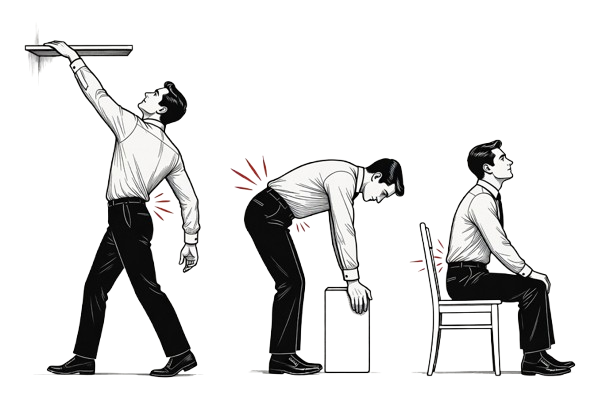
Spinal traction is most effective for clients whose pain has a significant compressive component — where the disc herniation or degenerative changes are creating pressure on neural structures. The clearest candidates include:
Lumbar disc herniation with radiculopathy — sciatica, leg pain, foot numbness
Cervical disc herniation with arm pain or hand numbness
Degenerative disc disease with significant pain and reduced disc height
Lumbar stenosis — narrowing of the spinal canal that creates leg pain with walking
Facet joint syndrome — compression-related joint pain in the posterior spine
Post-surgical clients whose symptoms include persistent radicular pain
Traction is less effective for purely axial pain without radicular components, and is generally not appropriate immediately following acute disc injury with significant neurological involvement. Assessment is essential to determine whether a client's presentation is a good fit.
Still living around your pain?
Let's change that. Call us and describe what you're dealing with — we'll tell you honestly if we can help.
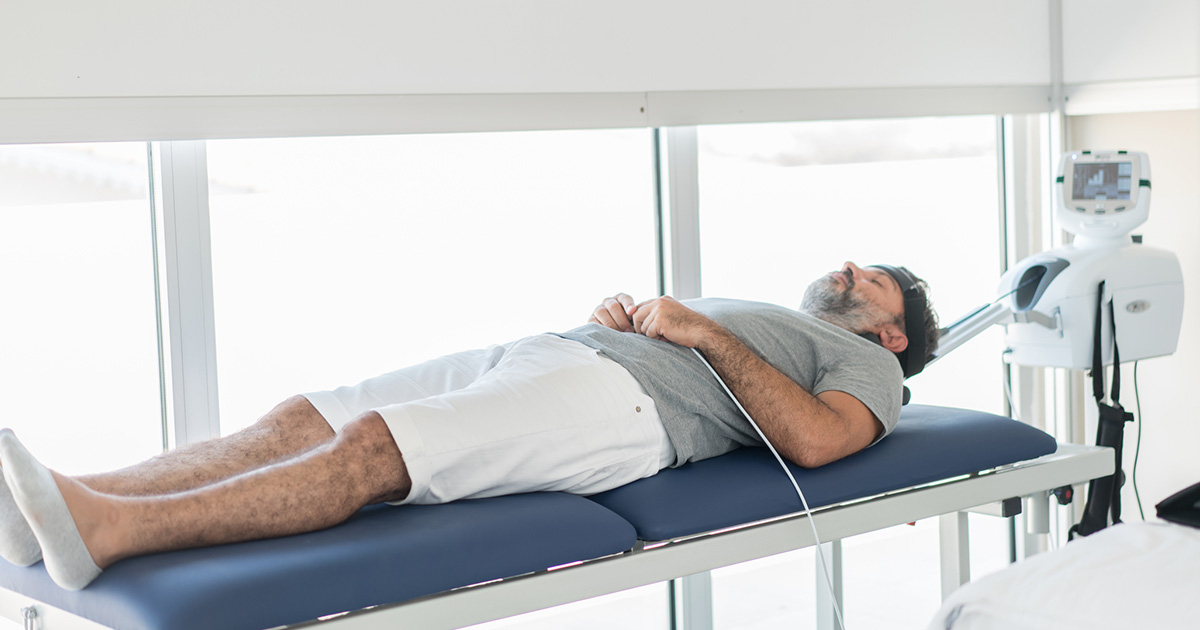
Spinal traction at Fix Back & Neck Pain is performed using motorized traction equipment that allows precise control of force, angle, and duration. The parameters — the amount of distraction force, the angle of pull, the duration of sustained versus intermittent traction — are calibrated to each client's specific presentation and tolerance.
Most clients find traction comfortable or even pleasant during the session. The effects — reduced pain, improved mobility, decreased neural tension — often begin within the first few sessions. For lumbar traction, clients lie on a padded table with a harness around the pelvis; for cervical traction, a specialized head cradle applies the decompressive force to the neck.
Traction is integrated with manual therapy and, where appropriate, with MedX spinal strengthening. Decompression alone addresses the immediate compressive load on the disc but doesn't rebuild the muscular support that reduces that load long-term. Combining traction with progressive strengthening addresses both the immediate source of pain and the structural deficit that allowed it to develop.
Traction vs. Surgery: The Evidence
For clients who have been told surgery may be necessary for a herniated disc, it's worth understanding the evidence on non-surgical outcomes. Multiple studies have shown that the majority of lumbar disc herniations — even large ones producing significant radiculopathy — improve over time with conservative care. Imaging studies following patients without surgery show that herniated disc material resorbs naturally in a significant proportion of cases, often within six to twelve months.
This doesn't mean surgery is never appropriate. For clients with progressive neurological deficits, intractable pain, or cauda equina syndrome, surgical intervention is clearly indicated. But for clients who are managing their symptoms and don't have progressive neurological signs, a structured non-surgical approach — including traction, strengthening, and manual therapy — is worth pursuing fully before moving to surgery.
The 86.5% surgery avoidance rate we observe in surgery-scheduled clients who complete our MedX and manual therapy protocol reflects what the research supports: the structural deficit driving most disc-related pain is addressable without surgery in the majority of cases.
Taking the Next Step
If you have been diagnosed with a disc herniation, degenerative disc disease, or spinal stenosis and are managing your care without surgery — or if you have been told surgery may be necessary — we would welcome the opportunity to assess your situation and discuss whether spinal traction is an appropriate part of your care.
Call us and tell us what your imaging shows and what you've already tried. We'll be direct about whether we think we can help and what a realistic course of care might look like.
Trent Shuford, LMT, Cert. MedX Tech.
Not sure if this is right for you?
We put together a straightforward guide to help you decide before you call.